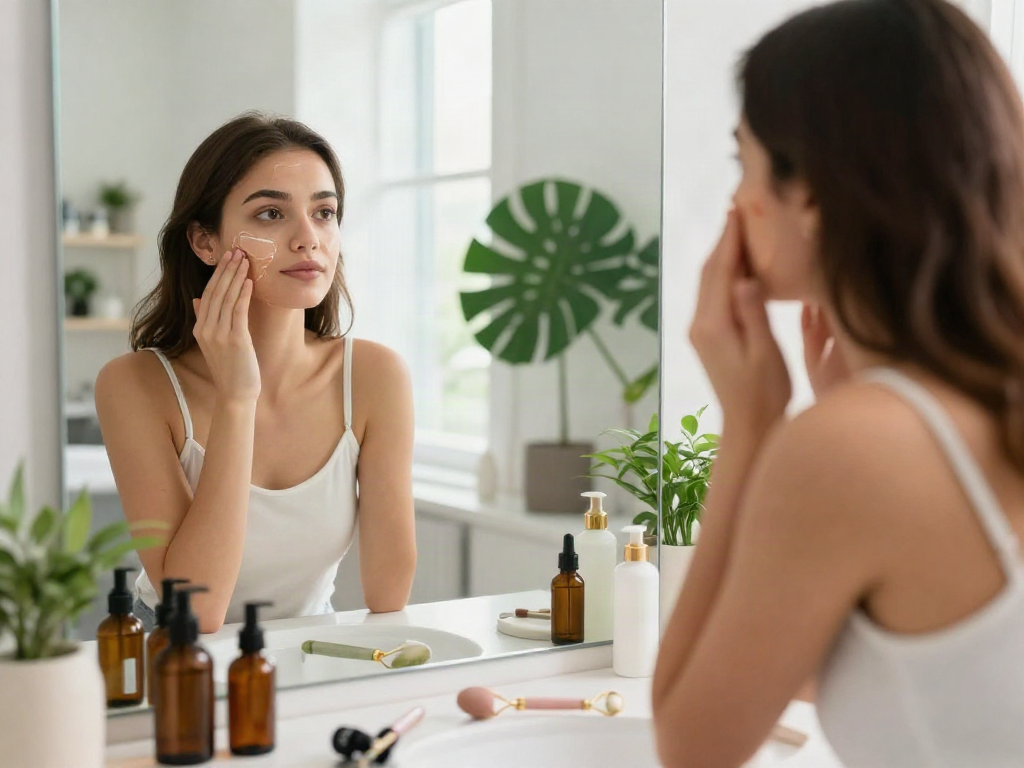
Understanding the Test of Attractiveness
The notion of beauty and attractiveness has evolved over centuries, influenced by varying cultural, social, and individual perspectives. Today, with the integration of technology, the test of attractiveness has become a popular way for individuals to evaluate their facial features against certain standards. This comprehensive examination dives into the mechanics of these tests, the factors influencing outcomes, and insights into the beauty paradigm.
What is the Test of Attractiveness?
The test of attractiveness refers to a series of assessments that utilize algorithms and AI technologies to measure various aspects of physical appearance. These tests focus largely on facial features, taking into account elements such as symmetry, proportion, and other beauty-related criteria. The underlying principle is that attractiveness can be somewhat quantified through these attributes, providing individuals with an idea of how they might be perceived by others.
How Does the Test Work?
Attractiveness tests typically involve users uploading a photograph of their face, after which AI tools analyze the image based on defined metrics. Factors that are commonly analyzed include:
- Facial Symmetry: Studies have shown that symmetrical faces are often perceived as more attractive.
- Facial Proportions: These may include ratios that conform to established ideals like the golden ratio.
- Landmark Distances: The distances between key facial features (e.g., eyes, nose, mouth) are often evaluated for balance.
By compiling this data, the tests generate an attractiveness score, often rated on scales from 1 to 10 or 0 to 100, depending on the platform.
Common Misconceptions About Attractiveness
There are many misconceptions surrounding attractiveness tests. Some people believe that these evaluations provide an absolute measure of beauty. However, it’s crucial to understand that attractiveness is highly subjective and culturally influenced. The results can also vary significantly depending on the criteria used by different testing platforms.
Another common misconception is that the test results should dictate self-worth. Attractiveness tests can serve as a fun exploration of beauty but should not replace personal confidence or self-acceptance.
Factors Affecting Attractiveness Scores
The Role of Facial Symmetry
Facial symmetry is one of the cornerstones of the test of attractiveness. Numerous studies have established a correlation between symmetrical features and higher attractiveness ratings across various cultures. This phenomenon can be traced back to evolutionary biology, as symmetry is often associated with genetic health and stability.
Understanding the Golden Ratio in Beauty
The golden ratio, approximately 1.618, has been hailed throughout history as a mathematical formula symbolizing beauty. It reflects an ideal proportion that is believed to be aesthetically pleasing. For example, the distance from the forehead to the chin, divided by the distance from the chin to the mouth, should ideally yield a number close to the golden ratio. Many beauty tests assess these proportions to derive attractiveness scores.
Cultural Influences on Attractiveness Perception
Attractiveness is not a universally fixed standard; it varies significantly across different cultures and societies. What one culture may deem attractive, another may find less appealing. Factors such as skin tone, hair type, and even body shape can affect perceptions of beauty globally. This diversity indicates that attractiveness tests may reflect cultural biases inherent within their algorithms.
Using AI Tools for Accurate Assessment
Overview of Popular Attractiveness Tests
Many online platforms offer attractiveness tests that utilize advanced AI to evaluate facial aesthetics. Some of the most well-known tools include:
- Rate My Face: A user-friendly interface where users can upload a selfie to receive feedback on various facial features.
- The Face Report: This tool uses complex algorithms to provide a detailed assessment based on 478 different facial landmarks.
- Pretty Scale: Offers a quick score based on image analysis, often entertaining users with a fun ranking system.
Benefits of AI in Beauty Assessment
The use of AI in attractiveness assessment provides several advantages:
- Consistency: Unlike human assessments, AI can analyze images without emotional biases, ensuring a level of consistency across evaluations.
- Speed: Users receive instant feedback, making the experience engaging and efficient.
- Data-driven Insights: AI tools can analyze large data sets, helping to identify trends in beauty standards.
Limitations of Online Attractiveness Tests
Despite their advantages, AI-driven attractiveness tests are not without flaws:
- Subjectivity: Cultural biases may influence the criteria used in assessments, affecting the outcome for individuals from diverse backgrounds.
- Over-reliance on Algorithms: Users may mistakenly treat scores as definitive judgments of beauty rather than explorations of subjective perception.
- Inaccuracy: No algorithm can capture the full complexity of human beauty, which encompasses personality and charisma.
Improving Your Attractiveness Score
Skincare Routines that Enhance Attractiveness
A well-maintained skincare regimen can significantly impact perceived attractiveness. Here are some effective tips:
- Hydration: Keeping the skin hydrated improves texture and appearance.
- Sun Protection: Regular use of sunscreen helps prevent skin damage and premature aging.
- Regular Exfoliation: This process removes dead skin cells and can brighten the complexion.
Makeup Techniques for a Flawless Appearance
Makeup can enhance features and create a polished look. Consider these techniques:
- Even Skin Tone: Use foundation or BB cream to create a smooth canvas.
- Highlighting and Contouring: These techniques can accentuate bone structure and add dimension to the face.
- Choosing the Right Colors: Finding shades that complement your natural tones can make a significant difference in overall attraction.
Physical Wellness and Its Impact on Attractiveness
Physical fitness plays a crucial role in one’s attractiveness. Regular exercise can boost confidence while also improving posture and skin health. Additionally, a balanced diet rich in nutrients fosters not only physical well-being but also enhances one’s overall appearance.
Future Trends in Attractiveness Assessment
The Evolution of Attractiveness Standards
As society changes, so do the standards of beauty. The future will likely see a continued broadening of what is considered attractive, influenced by movements advocating for diversity and inclusivity in beauty.
Emerging Technologies in Beauty Assessment
Future attractiveness assessments may integrate virtual reality and augmented reality for more immersive evaluations. These technologies can create personalized experiences, allowing individuals to visualize potential changes in their appearance.
Predictions for Attractiveness in 2026 and Beyond
By 2026, we can anticipate a shift towards authenticity, with an emphasis on self-love and acceptance overshadowing traditional beauty metrics. Tools will likely evolve to focus more on individual expression rather than conformity to established standards.