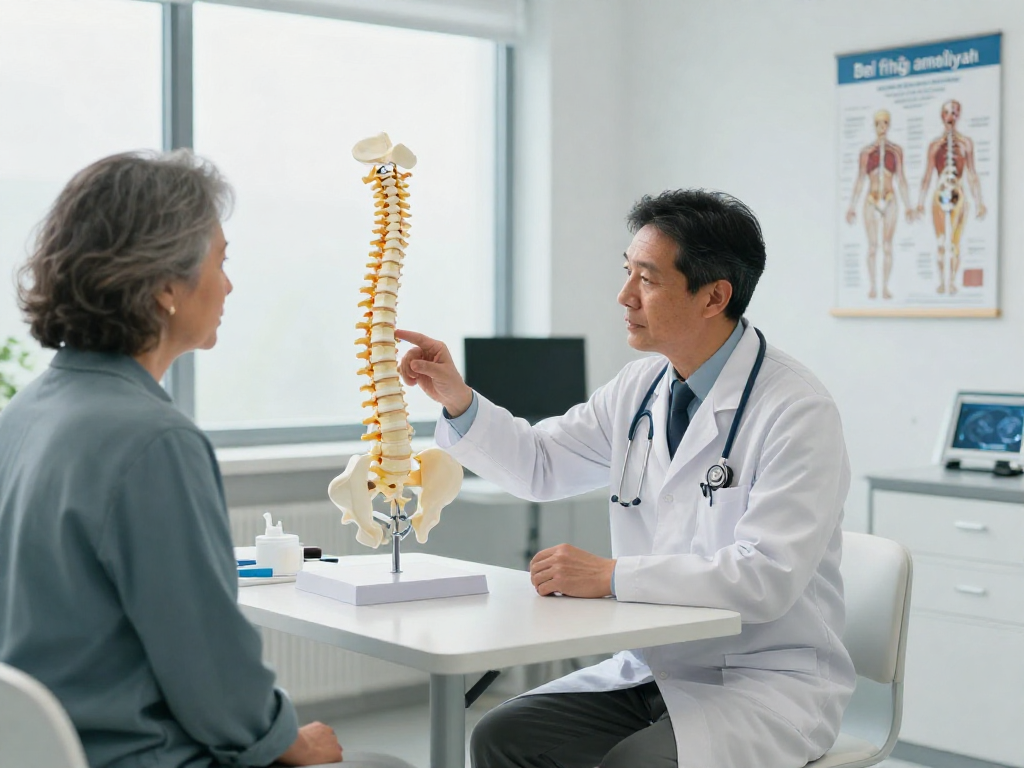
Understanding Bel Fıtığı Ameliyatı
Bel fıtığı, an increasingly common ailment affecting individuals of all ages, often causes debilitating pain, especially radiating from the lower back down to the legs. This painful condition can significantly impact daily activities and overall quality of life. For many, understanding the necessity and timing of surgical intervention is critical. Bel fıtığı ameliyatı offers insight into surgical options available to alleviate these symptoms when conservative treatments fail.
What is Bel Fıtığı Ameliyatı?
Bel fıtığı ameliyatı, or lumbar disc surgery, is a medical intervention designed to relieve pressure on spinal nerves caused by herniated discs. During this procedure, surgeons remove or repair the parts of the disc pressing on nearby nerves, alleviating pain, weakness, or numbness in the legs. There are primarily two types of surgical interventions: microdiscectomy and traditional open surgery. Microdiscectomy is less invasive and typically leads to quicker recovery times.
Symptoms Indicating Surgery for Bel Fıtığı
Deciding when to proceed with bel fıtığı ameliyatı hinges on the severity and persistence of symptoms. Common indicators that surgery may be necessary include:
- Chronic pain that does not improve with conservative treatments.
- Weakness in the legs, especially if it worsens over time.
- Numbness or tingling in the lower extremities.
- Loss of bladder or bowel control, which may indicate a serious condition such as Cauda Equina Syndrome.
The Anatomy of the Spine: Why It Matters
The lumbar spine consists of vertebrae, discs, nerves, and surrounding muscles and ligaments. Understanding this anatomy is essential when diagnosing and treating bel fıtığı. Herniated discs occur when the inner gel-like core of the disc protrudes outside its tough outer layer, leading to nerve compression. This compression can result in pain and functional impairment, highlighting the importance of timely diagnosis and intervention.
When is Bel Fıtığı Ameliyatı Necessary?
Surgical intervention for bel fıtığı is not always the first step; however, it becomes necessary in certain situations. Understanding the criteria that lead to surgical recommendations can empower patients in their treatment decisions.
Identifying Critical Symptoms and Conditions
Medical professionals assess various factors when determining the necessity of surgery. Critical symptoms that may necessitate surgical intervention include:
- Unmanageable pain despite conservative therapies like physical therapy or medication.
- Neurological deficits, including weakness and numbness.
- Signs of Cauda Equina Syndrome, which is a medical emergency requiring immediate surgical attention.
How Medical Professionals Decide on Surgery
Healthcare providers utilize comprehensive evaluations, including physical exams and imaging studies such as MRI and CT scans, to ascertain the extent of nerve compression and other contributing factors to the patient's pain. These findings guide the decision-making process regarding surgical options.
Understanding Cauda Equina Syndrome
Cauda Equina Syndrome is a severe condition that occurs when the nerve roots at the lower end of the spinal cord are compressed. This syndrome is characterized by symptoms such as:
- Severe low back pain.
- Numbness in the saddle region.
- Bladder and bowel dysfunction.
- Leg weakness.
Immediate surgical intervention is critical to prevent permanent damage, emphasizing the importance of recognizing these signs early.
The Surgical Procedure: What to Expect
Patients considering bel fıtığı ameliyatı often have questions about the procedure itself. It is vital to understand what to expect during the surgical process to alleviate any anxiety.
Steps Involved in Bel Fıtığı Ameliyatı
The surgical process generally involves the following steps:
- Preparation: Patients are advised to stop certain medications prior to surgery.
- Anesthesia: The procedure is performed under general anesthesia.
- Incision: A small incision is made near the affected area of the spine.
- Disc Removal: The herniated portion of the disc is carefully removed to alleviate pressure on the spinal nerves.
- Closure: The incision is then closed using sutures or staples.
Differences Between Microdiscectomy and Traditional Surgery
Microdiscectomy involves a smaller incision and typically results in less tissue damage, quicker recovery times, and often less postoperative pain compared to traditional open surgery. This makes microdiscectomy a preferred choice for many patients.
Post-Operative Care and Recovery
Post-surgery, the recovery process is critical for optimal healing. Pain management, physical therapy, and gradual return to daily activities are essential components of post-operative care. Patients typically can return home the same day or the next, depending on the individual case.
Risks and Benefits of Bel Fıtığı Ameliyatı
As with any surgical procedure, understanding the potential risks and benefits of bel fıtığı ameliyatı is essential for informed decision-making.
Common Risks Associated with Surgery
Potential risks include infection, bleeding, nerve damage, and complications related to anesthesia. However, serious complications are relatively rare, especially when the surgery is performed by an experienced surgeon.
The Long-term Benefits of Timely Surgical Intervention
Timely surgical intervention can lead to significant improvements in function and quality of life. Many patients experience rapid pain relief, increased mobility, and a return to normal daily activities, highlighting the procedure's effectiveness.
Recovery Timeline and Physiotherapy
The recovery timeline varies by individual but typically ranges from several weeks to a few months. Engaging in physiotherapy post-surgery can significantly enhance recovery, helping to strengthen the back muscles and prevent future injuries.
Future of Bel Fıtığı Treatment in 2026
The landscape of spine surgery is constantly evolving, leading to advancements that improve patient outcomes.
Innovations in Minimally Invasive Techniques
Future trends indicate a greater reliance on minimally invasive techniques, which reduce recovery times and minimize surgical trauma. Innovations in technology will continue to improve the accuracy and safety of these procedures.
Emerging Technologies in Spine Surgery
Technological advancements, including robotic-assisted surgery and enhanced imaging techniques, promise to revolutionize the field further. These advancements will not only enhance precision in surgeries but also improve patient safety and outcomes.
Patient Expectations and Outcomes
As techniques improve, patient expectations regarding recovery and outcomes will likely increase. Ongoing education and information dissemination about potential results and timelines will be crucial for patient satisfaction.
What are the early signs that I need Bel Fıtığı Ameliyatı?
Early signs indicating a need for surgical intervention may include worsening pain, neurological deficits, and symptoms consistent with Cauda Equina Syndrome.
How long does recovery take after Bel Fıtığı Ameliyatı?
Recovery time varies among individuals but typically involves a few weeks of rehabilitation and gradual return to normal activities.
Are there alternative treatments for Bel Fıtığı?
Alternative treatments may include physical therapy, medication, and lifestyle modifications; however, these approaches may not be effective for all patients.
What should I discuss with my surgeon before the operation?
Patients should discuss potential risks, benefits, surgical techniques, expected outcomes, and recovery timelines with their surgeon prior to the operation.
How can I prepare for Bel Fıtığı Ameliyatı?
Preparing for surgery may involve arranging for post-operative care, discussing pre-surgery restrictions, and ensuring that all necessary medical evaluations are completed.. Additionally, Bel fıtığı ameliyatı provides further details.