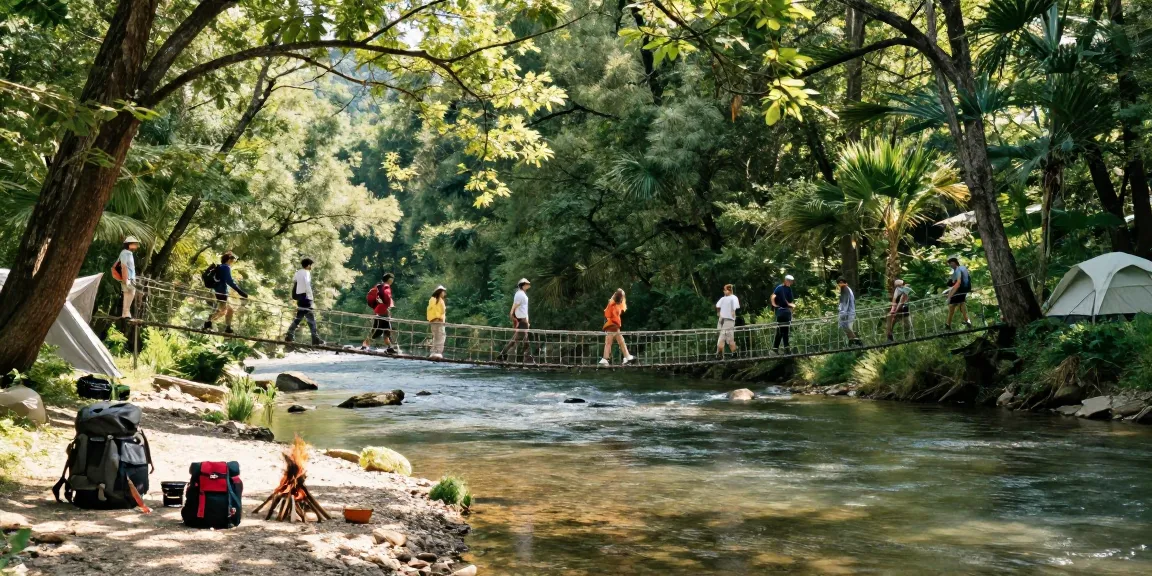
Understanding the River Rope Bridge: An Overview
The River Rope Bridge serves as more than just a functional structure; it is an architectural marvel that connects landscapes, cultures, and histories. Typically constructed to span rivers and other challenging terrains, these bridges blend utility with aesthetic appeal, making them popular in various settings from outdoor adventure parks to rural communities. Their design and construction reflect not only engineering principles but also the social and historical contexts in which they exist. This article delves into the intricacies of river rope bridges, exploring their mechanics, safety considerations, and the future of their design and use in 2026.
What is a River Rope Bridge?
A river rope bridge, often referred to as a suspension or swinging bridge, is a type of bridge that uses ropes or cables to support a deck for crossing a gorge, river, or other obstacles. These structures can vary significantly in size and complexity, from simple, lightweight models used in hiking trails to elaborate constructions designed for pedestrian traffic in tourist areas. The primary advantage of a rope bridge lies in its ability to span wide gaps while requiring minimal ground support, making it ideal for uneven or rugged terrains.
History and Cultural Significance of Rope Bridges
Historically, rope bridges have served crucial functions in various cultures, particularly in mountainous or isolated regions. For instance, the Inca civilization famously constructed myriad rope bridges across the Andes, facilitating trade and communication across challenging landscapes. Such bridges symbolise ingenuity and resourcefulness, reflecting the cultures that created them. In many regions today, modern renditions of these bridges retain their cultural significance while providing practical solutions for connectivity.
How River Rope Bridges Work: Design Mechanics
The mechanics of a river rope bridge hinge on tension and compression principles. The main components typically include the deck, the suspension cables, and the anchor points. The deck is the surface that users walk on, which is suspended from cables that transfer the load to the anchor points on either side of the river. These cables ensure stability and balance, allowing the bridge to flex and move while maintaining structural integrity. Understanding these mechanics is crucial for both the design and safety assessments of these bridges.
Essential Components of River Rope Bridge Construction
Materials Used in Building River Rope Bridges
The durability and effectiveness of a river rope bridge depend significantly on the materials chosen for construction. Common materials include:
- Steel cables: Known for their high tensile strength, steel cables are often used to bear the weight of the bridge and its users.
- Wood: Timber is frequently used for the deck, providing an aesthetic appeal and natural resilience.
- Synthetic ropes: Modern materials such as nylon or polyester are also gaining popularity due to their lightweight and weather-resistant properties.
- Concrete: In some designs, concrete anchor points or pylons are incorporated to enhance stability.
Design Considerations for Safety and Durability
When designing a river rope bridge, safety is paramount. Key considerations include:
- Load capacity: Engineers must calculate the maximum weight the bridge can support, including potential dynamic loads from pedestrian traffic.
- Weather resistance: The materials used must withstand local environmental conditions, including wind, rain, and potential flooding.
- Maintenance access: Designs should allow for easy inspections and maintenance to prolong the bridge's lifespan.
Cost Factors in River Rope Bridge Projects
The cost of constructing a river rope bridge can vary widely based on several factors, including:
- Design complexity: More intricate designs typically require more materials and labour, increasing costs.
- Location: Bridges in remote or difficult terrain may incur additional expenses for transportation and construction efforts.
- Permits and regulations: Obtaining the necessary permits can add time and costs to the project, particularly if environmental assessments are required.
Best Practices for Building Safe River Rope Bridges
Planning and Permitting for River Rope Bridges
Effective planning is essential for the successful construction of a river rope bridge. Engaging with local authorities early in the process can facilitate smoother permitting, while also ensuring compliance with environmental and safety regulations. Conducting thorough site assessments is crucial for identifying potential challenges before construction begins.
Construction Techniques for Longevity
Employing proven construction techniques not only ensures the bridge's integrity but also enhances its lifespan. Techniques such as proper anchoring, tensioning the cables, and using corrosion-resistant materials can help in building a robust bridge capable of withstanding environmental stresses.
Maintenance and Inspection Guidelines
Regular maintenance is vital for the safety and functionality of river rope bridges. Established guidelines suggest conducting annual inspections, looking for signs of wear on the cables, deck, and anchor points. Routine checks for environmental impacts, such as erosion or flooding, are also essential.
Trends in River Rope Bridge Design and Use in 2026
Innovative Materials and Technologies
The future of river rope bridges will likely see enhanced use of innovative materials, such as carbon fibre and advanced composites, which offer improved strength-to-weight ratios. Additionally, technology such as structural health monitoring systems, which provide real-time data on the bridge's condition, will become more prevalent, ensuring ongoing safety and efficiency.
Environmental Considerations for River Crossings
As sustainability becomes increasingly important, the design of river rope bridges will need to incorporate eco-friendly practices. This includes minimising environmental disruption during construction, using sustainable materials, and designing for minimal ecological impact, particularly in sensitive areas.
Future Applications of River Rope Bridges
Beyond their traditional uses, river rope bridges may find applications in urban areas as pedestrian walkways, bike paths, and as parts of eco-tourism initiatives. Their ability to enhance access while providing scenic experiences makes them attractive options for enhancing connectivity in various landscapes.
Case Studies: Successful River Rope Bridge Projects
Highlighting Iconic River Rope Bridges Worldwide
Several iconic river rope bridges exist globally, showcasing their cultural and architectural significance. The Carrick-a-Rede rope bridge in Northern Ireland exemplifies a blend of scenic beauty and engineering prowess, attracting thousands of tourists annually. Similarly, the Qeswachaka bridge in Peru provides insight into traditional Inca construction methods, highlighting the historical significance of these structures.
Lessons Learned from River Rope Bridge Failures
Examining past failures of river rope bridges provides invaluable lessons for future designs. Issues such as inadequate load calculations, poor materials selection, and lack of maintenance have led to collapses. Learning from these mistakes can assist engineers and architects in creating safer, more resilient bridges.
Community Benefits from River Rope Bridge Installations
Beyond functional utility, river rope bridges often bring communities together, fostering social interactions and enhancing local economies through increased tourism. Their aesthetic qualities can contribute to a region's identity, transforming the natural landscape into an attractive destination.
What are the most famous river rope bridges?
Some of the most famous river rope bridges include the Carrick-a-Rede bridge in Northern Ireland, the Qeswachaka bridge in Peru, and the Capilano Suspension Bridge in Canada. Each of these bridges offers a unique experience, drawing visitors from around the world.
How much does it typically cost to build a river rope bridge?
The cost of constructing a river rope bridge can range from a few thousand to several million dollars, depending on factors such as design complexity, location, and materials used. A basic footbridge can be more affordable, while larger, more complex structures could require significant investment.
What safety measures should be considered for river rope bridges?
Key safety measures include proper load calculations, using durable and weather-resistant materials, and implementing regular maintenance schedules. Additionally, safety barriers and signage can enhance user awareness and safety while crossing.
How do environmental conditions affect river rope bridge design?
Environmental conditions, such as wind, flooding, and seismic activity, play a critical role in the design of river rope bridges. Engineers must consider these factors during the planning phase to ensure the bridge can withstand potential stressors over its lifespan.
Where can I find plans for a DIY river rope bridge?
Various resources online provide plans for building DIY river rope bridges, including guidebooks, instructional videos, and engineering websites. It's crucial to ensure that any DIY project adheres to local safety regulations and standards.