





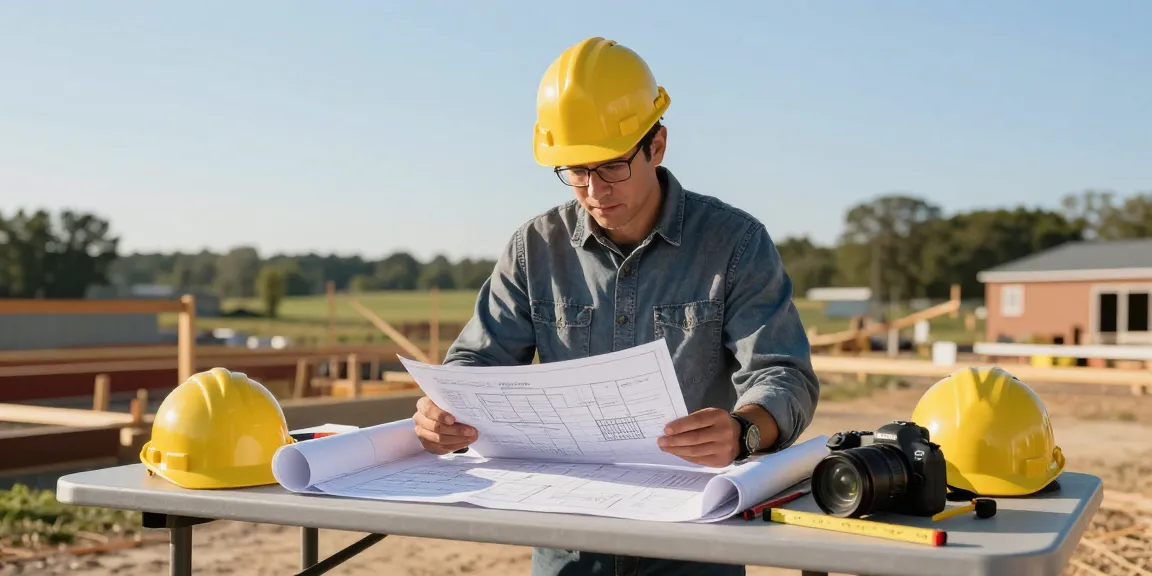
Understanding Structural Integrity Assessments in Missouri
When it comes to ensuring that structures are safe and reliable, particularly in Missouri, structural integrity assessment missouri plays a crucial role. A structural integrity assessment is the process of evaluating the strength and durability of various structures, including residential buildings, bridges, and commercial facilities. With the increasing complexity of engineering projects and the growing emphasis on safety regulations, understanding the nuances of these assessments is more important than ever for homeowners and contractors alike.
What is a Structural Integrity Assessment?
A structural integrity assessment involves a thorough examination of a structure’s components to determine its ability to withstand various forces and loads over time. This assessment can involve visual inspections as well as more advanced diagnostic techniques, such as stress testing and materials analysis. The goal is to identify any potential weaknesses or failures in the structure before they result in catastrophic failures. Proper assessments not only ensure safety but also help in extending the lifespan of buildings and infrastructure.
Importance of Assessments for Homeowners and Contractors
For homeowners, understanding the structural integrity of their property is essential for peace of mind. A solid assessment can reveal underlying issues that may not be visible during a standard home inspection. For contractors, these assessments are vital in ensuring that projects comply with local building codes and standards, thus avoiding costly fines and rework. Regular assessments can also provide invaluable insights into maintenance needs, ultimately saving homeowners and contractors money in the long run.
Legal and Regulatory Requirements in Missouri
In Missouri, structural integrity assessments are not just best practices; they are often legally required. The state mandates that certain structures undergo regular inspections to comply with safety regulations. This includes new buildings undergoing inspections during different construction phases and existing structures requiring periodic assessments. Understanding these legal requirements can prevent homeowners and contractors from facing legal consequences due to non-compliance while ensuring that their projects meet all safety standards.
Key Components of Structural Integrity Assessments
Evaluating Building Materials and Design
Building materials play a significant role in the structural integrity of a building. Engineers evaluate the quality and suitability of materials, as well as design elements, to assess whether they meet the intended purpose. For instance, using substandard materials can lead to early failure, necessitating costly repairs or complete renovations. During assessments, engineers analyze both the materials used and the design to ensure they can handle expected loads, environmental factors, and aging.
Common Failures and Risks Identified
Several common failures can occur in building structures, including foundation settling, material degradation, and design flaws. These issues can lead to significant safety risks, such as structural collapses, which can endanger lives and lead to extensive property damage. By identifying these risks through regular assessments, homeowners and contractors can implement necessary repairs or reinforcements before problems escalate.
Tools and Techniques Used in Assessments
Structural integrity assessments utilize a variety of tools and techniques for accurate evaluations. These may include:
- Visual Inspections: A thorough walkthrough to identify visible signs of distress, such as cracks and shifting.
- Non-Destructive Testing (NDT): Techniques like ultrasonic testing, radiography, and magnetic particle testing to evaluate materials without causing damage.
- Load Testing: Applying loads to structures to determine their response under stress.
- Advanced Software Analysis: Utilizing engineering software for simulations and predictive modeling.
These techniques allow engineers to deliver comprehensive assessments that identify potential issues accurately.
Process of Conducting a Structural Integrity Assessment
Initial Consultation and Scope Definition
The process begins with an initial consultation where the engineer discusses the specific needs of the client. This meeting is essential for defining the assessment’s scope, timeline, and the extent of analysis required. Understanding the client’s concerns and objectives ensures that the assessment is targeted and efficient.
On-Site Analysis: What to Expect
Diving deeper into the assessment, the on-site analysis is where extensive evaluations take place. Engineers will conduct visual inspections, gather data, and may even take samples for laboratory testing if necessary. During this phase, it’s important for homeowners and contractors to be available to answer questions and provide additional context about the building’s history and any previous issues.
Reporting and Documentation: Delivering Results
Once the assessment is complete, the engineer will compile a detailed report documenting their findings. This will typically include photographs, analysis of materials, identified issues, and recommendations for remediation or further action. A well-structured report is vital for transparency and communication, enabling clients to make informed decisions based on the assessment’s results.
Best Practices for Structural Integrity Assessment Professionals
Maintaining Compliance with Missouri Engineering Standards
One of the foremost responsibilities of structural integrity assessment professionals is to ensure that all evaluations comply with the Missouri engineering standards. This involves staying updated with any changes in regulations and incorporating them into their work processes. By adhering to these standards, engineers not only protect their clients but also uphold the integrity of the profession.
Effective Communication with Clients and Stakeholders
Clear communication with clients and other stakeholders is essential throughout the assessment process. Professionals should explain technical findings in layman’s terms, ensuring that all parties understand the implications of the assessment. Engaging clients through regular updates can foster trust and lead to more productive partnerships.
Continuous Learning and Technical Development
The engineering field is constantly evolving, with new technologies and methodologies emerging regularly. Assessment professionals must prioritize continuous learning and development to keep their skills current. Participating in workshops, certifications, and industry conferences can substantially enhance an engineer’s competence and service quality.
Future Trends in Structural Integrity Assessment in Missouri
Innovations in Engineering Technologies for Assessments
The structural integrity assessment field is seeing rapid advancements in technology, which are transforming the way assessments are conducted. Innovations such as drone inspections, 3D scanning technology, and AI-driven analytics are becoming more common. These technologies can increase efficiency, accuracy, and even safety during assessments.
Emerging Regulations and Standards for 2026
As the construction industry continues to prioritize environmental sustainability and resilience, new regulations concerning building materials and design techniques are expected to emerge by 2026. Assessment professionals will need to stay abreast of these changes to ensure compliance and recommend adaptive solutions to clients.
Preparing for the Future: Adaptability and Growth in the Field
To remain relevant in a dynamic industry, structural integrity assessment professionals must cultivate adaptability. This includes being open to integrating new technologies into their practices and being proactive about changes in regulations. Embracing a culture of continuous improvement will position professionals favorably in the future landscape of structural assessments.
What findings are typically included in a structural integrity assessment report?
A structural integrity assessment report typically includes observations of visual damage, material analysis, any identified compliance violations, and recommendations for repairs or further inspections. It serves as both a diagnostic tool and a roadmap for future action.
Who should perform a structural integrity assessment in Missouri?
In Missouri, only licensed professional engineers (PEs) with specific expertise in structural assessments should conduct these evaluations. This ensures that assessments are thorough, reliable, and compliant with state regulations.
How often should structural integrity assessments be conducted?
The frequency of structural integrity assessments can vary depending on several factors, including the age of the structure, environmental conditions, and any previous issues. Generally, it’s wise for homeowners to have assessments conducted every 5 to 10 years or following significant renovations or natural disasters.
What happens if a property fails a structural integrity assessment?
If a property fails a structural integrity assessment, the findings will typically indicate required repairs or reinforcements. The property owner would then be advised on the necessary steps to rectify the issues to ensure safety and compliance with local regulations.
How can homeowners prepare for a structural integrity assessment?
Homeowners can prepare for a structural integrity assessment by gathering any relevant documentation about their property, such as past inspection reports, maintenance records, and information on any previous repairs. Being present during the assessment to provide insights on the property’s history can also aid the engineer in their evaluation.




More Stories
How to Stay Safe While Using Induction Furnace in 2026: Essential Tips for Professionals
Essential Insights on CNC Glass Cutting Machine for 2026
Key Innovations Driving Heavy Industry and Engineering Success