





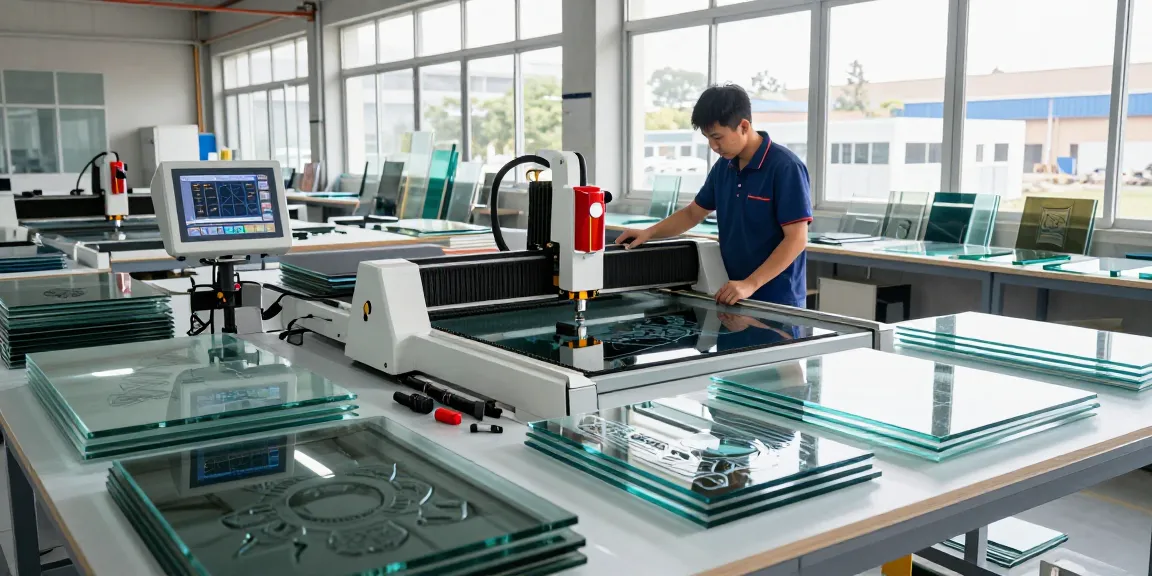
Understanding CNC Glass Cutting Machines
In the rapidly evolving world of glass manufacturing, CNC (Computer Numerical Control) technology has emerged as a revolutionary force, streamlining processes and enhancing precision. CNC glass cutting machines are designed to deliver superior accuracy, speed, and flexibility, making them an essential tool in modern glass processing facilities. With advancements in technology, these machines are not just enhancing productivity but also enabling manufacturers to explore new creative possibilities in glass design. When exploring options, cnc glass cutting machine offers comprehensive insights into various models and functionalities available in today’s market.
What is a CNC Glass Cutting Machine?
A CNC glass cutting machine is a specialized piece of equipment that uses computer-controlled systems to guide the cutting tools with remarkable precision. These machines can handle various glass types and thicknesses, from delicate decorative glass to robust tempered glass. The technology utilizes programmed designs that dictate the cutting paths, ensuring that cuts are made exactly where intended, thereby minimizing waste.
How CNC Technology Transforms Glass Processing
The integration of CNC technology into glass processing has marked a significant shift from traditional cutting methods. Historically, glass cutting was a manual process requiring significant skill and experience. However, CNC machines automate this process, allowing for faster turnaround times and consistent quality. The ability to replicate complex patterns and designs at scale is a game-changer for manufacturers, enabling them to meet consumer demands more efficiently.
Benefits of Integrating CNC Glass Cutting Machines
- Increased Precision: CNC glass cutting machines achieve high levels of accuracy, ensuring that each piece meets strict specifications.
- Reduced Labor Costs: Automation reduces the need for manual labor, leading to lower operational costs and greater safety for workers.
- Enhanced Flexibility: CNC machines can be easily reprogrammed to accommodate different designs, making them versatile for various projects.
- Less Material Waste: The precision of CNC machines reduces the likelihood of errors and waste, contributing to more sustainable practices.
Choosing the Right CNC Glass Cutting Machine
Selecting the appropriate CNC glass cutting machine for your production needs can significantly impact your operational efficiency and product quality. Consideration of specific features, model comparisons, and overall cost-effectiveness are critical in making an informed decision.
Key Features to Consider
- Cutting Speed: The speed at which a machine can cut glass plays a vital role in meeting production deadlines.
- Cutting Thickness: Ensure the machine can handle the thickness of glass you typically work with.
- Software Compatibility: The machine should be compatible with existing design software for seamless integration into your workflow.
- Maintenance Requirements: Consider how often the machine will require maintenance and the associated costs.
Comparison of Popular CNC Glass Cutting Models
When evaluating different CNC glass cutting machines, it is essential to compare features, functionalities, and prices. Some of the leading models in the market include:
- ZHENGKE CNC Glass Cutting Machine: Known for its durability and precision, suitable for high-volume production.
- GLASSLINE CNC Cutter: Offers exceptional flexibility and user-friendly software interfaces.
- CMS Glass Machinery: Focuses on automation and efficiency, geared toward large-scale operations.
Cost-Effectiveness and ROI in Glass Cutting Solutions
Investing in CNC glass cutting technology should be viewed through the lens of return on investment (ROI). Although the initial cost may be high, the long-term savings associated with labor, materials, and increased productivity often outweigh these expenses. Evaluating potential ROI can guide manufacturers in selecting a machine that will meet their needs both now and in the future.
Operational Efficiency in Glass Processing
Operational efficiency is at the heart of successful glass processing. Implementing best practices and optimizing workflows can significantly enhance productivity while minimizing costs.
Best Practices for Using CNC Glass Cutting Machines
- Regular Maintenance: Keeping machines well-maintained ensures longevity and consistent performance.
- Train Employees: Comprehensive training for operators enhances efficiency and safety.
- Utilize Software Tools: Using advanced software for design and programming can streamline the entire cutting process.
Common Mistakes and How to Avoid Them
Many manufacturers face hurdles in maximizing the potential of their CNC machines. Common mistakes include:
- Underestimating the importance of machine calibration, leading to inaccuracies.
- Failing to integrate software solutions that can optimize design capabilities.
- Neglecting regular training sessions for staff on updated technologies.
Maximizing Output and Reducing Waste
Effective strategies to maximize output include efficient material management, careful design planning to utilize full sheets, and automation to reduce manual handling of glass. These approaches not only improve production rates but also significantly cut down on material waste.
Innovation in Glass Cutting Technology
As the glass industry evolves, new innovations are continuously emerging that enhance the capabilities of CNC glass cutting machines.
Emerging Trends in CNC Glass Cutting for 2026
Looking ahead, several trends are expected to shape the future of CNC glass cutting:
- Increased Automation: More manufacturers are expected to adopt fully automated systems that require minimal human intervention.
- AI Integration: Artificial intelligence will enable smarter decision-making processes and predictive maintenance.
- Advanced Materials: The cutting of new, innovative glass materials will become more commonplace.
Impact of Automation on Glass Processing Industries
Automation, particularly through CNC machinery, allows manufacturers to scale production and improve precision. This has profound implications for reducing production times and handling costs, positioning businesses to compete effectively in a global market.
Future Technologies and Their Potential
Emerging technologies, such as augmented reality (AR) for design visualization and virtual reality (VR) for operator training, present significant potential to enhance the functionality of CNC glass cutting machines. These technologies can improve workflow efficiencies and reduce errors in production.
Case Studies and Real-World Applications
To illustrate the practical implications of CNC glass cutting technology, consider the following case studies from industry leaders who have successfully integrated these machines into their operations.
Success Stories with CNC Glass Cutting Implementation
One notable example is a leading glass manufacturer that upgraded to a CNC glass cutting system, resulting in a 30% increase in production output. By utilizing software that optimizes cutting paths, they were also able to reduce material costs significantly.
Industry Insights from Leading Glass Manufacturers
Some of the foremost glass manufacturers have shared insights into their transition to CNC technology, highlighting improvements in operational consistency and product quality.
Analyzing Performance Metrics and Outcomes
By tracking performance metrics such as cycle time, material efficiency, and labor productivity, companies can gain valuable insights into their operations, helping them to continually refine and improve their processes over time.
What are the maintenance requirements for a CNC glass cutting machine?
Regular preventive maintenance is crucial, including inspections of mechanical components, lubrication of moving parts, and software updates to ensure optimal operation.
How does a CNC glass cutting machine improve precision?
The computer-controlled algorithms precisely dictate the cutting paths, allowing for consistent and accurate cuts that minimize errors typically seen in manual processes.
What is the average cost of a CNC glass cutting machine?
The cost can vary significantly based on features and capabilities, typically ranging from $40,000 to $450,000, depending on specifications and manufacturer.
Can CNC machines cut different types of glass?
Yes, CNC glass cutting machines can handle various types of glass, including tempered, laminated, and low-E glass, as well as specialty glass types.
What are the safety measures when operating CNC glass cutting machines?
Safety measures include using protective gear, implementing machine guards, ensuring proper training for operators, and establishing safety protocols in the workplace.




More Stories
How to Stay Safe While Using Induction Furnace in 2026: Essential Tips for Professionals
3 Levels of Structural Integrity Assessment Missouri Mastery: Beginner to Expert Techniques for Professionals
Key Innovations Driving Heavy Industry and Engineering Success