





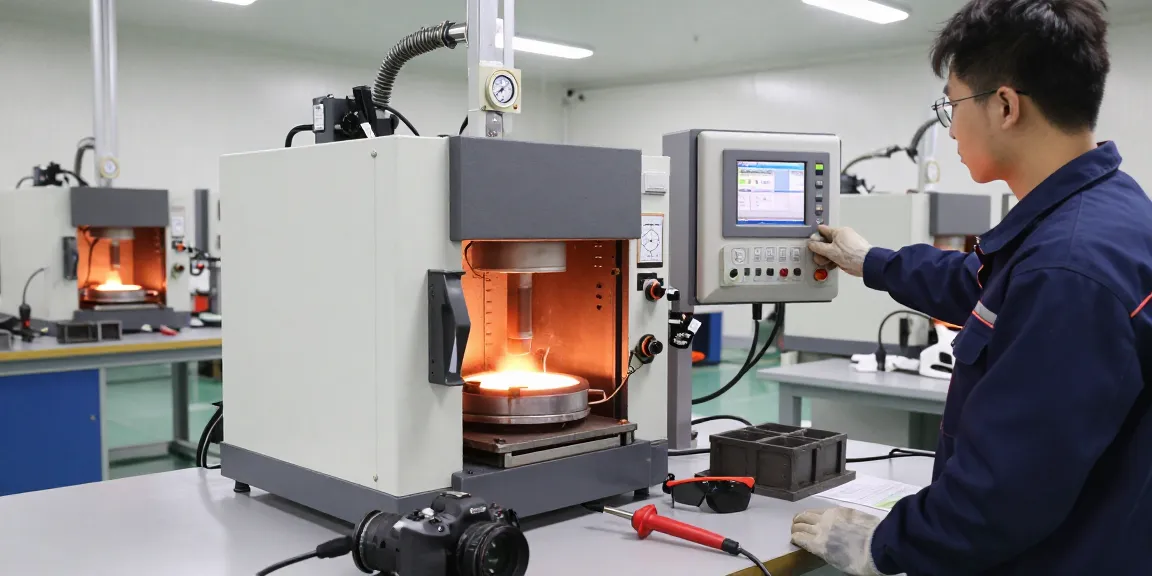
Understanding Induction Furnaces
An induction furnace is a crucial piece of equipment in the metal processing industry, known for its ability to melt and heat metals with precision and efficiency. As industries increasingly turn toward cleaner, more energy-efficient methods of metalworking, the importance of understanding how induction furnaces operate continues to grow. This article will delve deeply into the functionality, safety, and future of induction furnaces, particularly focusing on the innovations brought to the market by Yueqing Kexin Electronic Instrument Co., Ltd.
What is an Induction Furnace?
At its core, an induction furnace utilizes electromagnetic induction to heat and melt metals. Unlike traditional furnaces that rely on combustion, induction furnaces generate heat directly within the metal itself through the application of alternating current. This method allows for rapid heating and increased control over the melting process, making it a preferred choice for many manufacturers.
Key Components and Their Functions
Induction furnaces consist of several critical components that work together to achieve efficient heating:
- Induction Coil: The coil generates a magnetic field when electric current passes through it, inducing heat in the metal placed inside.
- Power Supply: This component converts standard electrical energy into a high-frequency current necessary for operation.
- Crucible: The crucible holds the metal being heated and must be made from materials that can withstand high temperatures.
- Control System: Modern induction furnaces are equipped with sophisticated control systems that monitor and adjust temperature and power levels for precision heating.
The Science Behind Induction Heating
The science of induction heating is based on Faraday’s Law of Electromagnetic Induction, which states that a changing magnetic field can induce an electric current in a conductor. In an induction furnace, an alternating current flows through the induction coil, creating a rapidly changing magnetic field. When a conductive material, such as metal, is placed inside the coil, currents known as eddy currents are generated within the metal, producing heat due to the material’s electrical resistance. This process allows for precise control over the heating and melting of various metals.
Operational Guidelines for Safe Usage
While induction furnaces are renowned for their efficiency and effectiveness, ensuring safe operation is paramount. Proper procedures and guidelines can mitigate risks associated with their use, protecting both operators and equipment.
Pre-Operation Safety Checks
- Inspect Electrical Components: Ensure all wiring and connections are secure and free from damage to prevent electrical failures.
- Check Cooling Systems: Verify that cooling systems are operational and free from leaks, as overheating can lead to equipment failure.
- Test Emergency Shutdowns: Ensure that emergency shutdown mechanisms are functional and easily accessible.
Best Practices During Operation
To maximize safety and efficiency during operation, follow these best practices:
- Monitor Temperature: Consistently monitor the temperature and adjust settings as necessary to avoid overheating.
- Maintain Distance: Operate the furnace from a safe distance, utilizing remote controls where available.
- Use Personal Protective Equipment (PPE): Operators should wear appropriate PPE, including gloves and face shields, to protect against thermal hazards.
Post-Operation Procedures
After using an induction furnace, it’s important to have a set of post-operation procedures to ensure safety and longevity:
- Cool Down: Allow the induction coil and crucible to cool down before any maintenance or inspections are conducted.
- Clean the Workspace: Clear any residual materials from the workspace to maintain a safe and organized environment.
- Document Usage: Keep detailed records of the operation, including temperatures reached and any maintenance performed.
Addressing Common Challenges
Despite their advantages, induction furnaces can encounter operational challenges. Recognizing and addressing these issues can lead to improved performance and longevity of the equipment.
Overheating Issues and Solutions
Overheating is a common issue in induction furnace operation, often caused by improper power settings or insufficient cooling. To prevent overheating:
- Regularly calibrate the temperature sensors to ensure accurate readings.
- Implement automatic power adjustments based on load, maintaining optimal heating levels.
Power Management Best Practices
Efficient power management is crucial for effective furnace operation. Consider the following practices:
- Load Monitoring: Continuously monitor load to adjust power output dynamically, ensuring efficiency.
- Use of Inverter Technology: Employ advanced inverter technology to enhance energy efficiency, reducing costs and environmental impact.
Dealing with Equipment Failures
Equipment failures can be disruptive and costly. Implement a proactive maintenance strategy to minimize risks:
- Schedule regular maintenance checks to identify and rectify potential issues before they escalate.
- Train operators to identify early signs of equipment failure, including unusual noises or temperature fluctuations.
Advanced Techniques for Efficiency
As technology evolves, so do the techniques employed to enhance the efficiency of induction heating. Companies like KEXIN are at the forefront of integrating these advancements into their products.
Optimizing Energy Consumption
Energy consumption can be significantly reduced through several methods, including:
- Improving Insulation: Ensure that the furnace is well-insulated to prevent heat loss and improve energy efficiency.
- Utilizing Heat Recovery Systems: Implement systems that capture and reuse heat generated during operation, further reducing energy costs.
Utilizing PID Control for Precision
Proportional-Integral-Derivative (PID) control allows for precise temperature regulation, leading to improved metallurgical properties:
- By maintaining a consistent temperature, PID control can enhance the quality of the final metal product.
- It also reduces the risk of overheating, contributing to safer operation.
Scheduled Maintenance for Longevity
Regular maintenance is critical in extending the life of induction heating equipment. Adopting a maintenance schedule can help:
- Identify and address wear and tear before it impacts performance.
- Ensure all safety features are functional and up to regulatory standards.
Future Trends in Induction Heating Technology
As technology advances, the future of induction heating looks promising with emerging innovations designed to increase efficiency and safety.
Emerging Technologies on the Horizon
Advancements in materials science and engineering are paving the way for new applications of induction heating:
- Improved Coil Designs: Future induction furnaces may feature coils designed to enhance efficiency and heat distribution.
- Smart Technologies: Integration of IoT technology to allow for remote monitoring and predictive maintenance of induction heating systems.
The Evolution of Safety Standards
With the growing emphasis on safety in industrial operations, future induction heating systems are expected to adhere to stricter safety standards:
- Incorporation of advanced sensors and automatic shutdown mechanisms to enhance operator safety.
- Continuous updates to industry best practices to reflect new technological findings.
Environmental Impact and Efficiency Improvements
As industries face increasing pressure to reduce their carbon footprint, induction heating systems are being designed with sustainability in mind:
- Innovations in energy efficiency are not only benefiting manufacturers but also contributing to environmental conservation.
- Future induction heaters may use alternative energy sources, reducing reliance on fossil fuels.
Frequently Asked Questions
What safety features should I look for in an induction furnace?
When selecting an induction furnace, prioritize systems equipped with multiple safety features, such as over-temperature protection, coil fault detection, and safety interlocks. These features ensure both equipment and operator safety during operation.
How does induction heating compare to traditional heating methods?
Induction heating is more efficient than traditional heating methods, as it directly heats the metal, significantly reducing wastage. Moreover, induction heating produces fewer byproducts, contributing to a cleaner operational environment.
What materials can be melted in an induction furnace?
Induction furnaces are versatile and can melt a variety of materials, including ferrous and non-ferrous metals like steel, aluminum, copper, and even precious metals.
Can I use an induction furnace for small batch production?
Absolutely! Induction furnaces can be utilized for small batch production thanks to their precise temperature control and rapid heating capabilities.
What maintenance is required for induction heating equipment?
Regular maintenance for induction heating equipment includes checking electrical connections, ensuring the integrity of the induction coil, monitoring temperature sensors, and cleaning the equipment after each use to maintain optimal performance.. Additionally, induction heater provides further details.




More Stories
3 Levels of Structural Integrity Assessment Missouri Mastery: Beginner to Expert Techniques for Professionals
Essential Insights on CNC Glass Cutting Machine for 2026
Key Innovations Driving Heavy Industry and Engineering Success